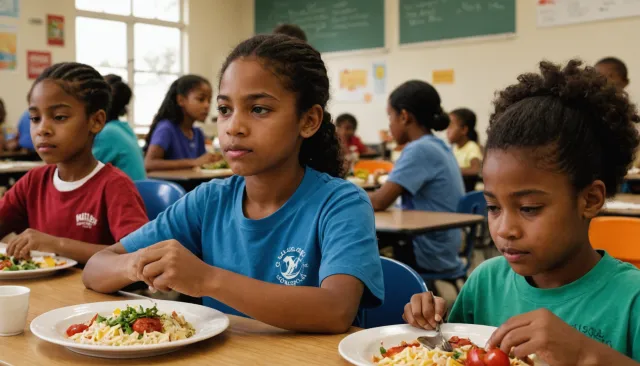
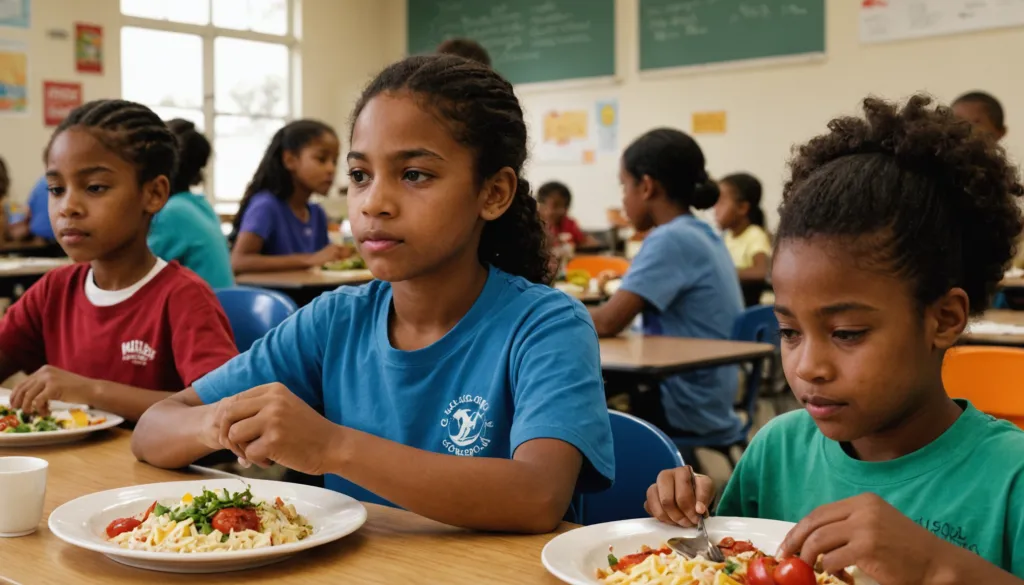
The Vallejo City Unified School District is running a free summer meals program for anyone under 18 years old - no registration, no income qualification, no paperwork. Breakfast and lunch are available at select sites across the city through August 7, filling a gap that school nutrition directors know well: when the academic year ends, so does structured daily feeding for thousands of students.
The program served nearly 20,000 lunches and more than 10,000 breakfasts during the previous summer. That volume reflects genuine demand in a city where the cost of living has climbed steadily and family budgets are under real pressure. Ruben Aurelio, superintendent of the Vallejo City Unified School District, put it plainly: during the school year, the district feeds many students up to three times a day, and summer breaks that continuity. The program exists specifically to bridge that gap. Interestingly, public-sector nutrition programs and regulated retail environments share a common operational thread - accountability at the point of distribution. A cannabis pos system alaska operators use, for instance, tracks every transaction by location and time for compliance purposes, much like how these meal sites must log distributions and enforce on-site consumption rules rather than allow food to leave the premises.
Here's how the program works in practice. Distribution runs Monday through Friday at three locations:
- John F. Kennedy Library - lunch only, served at noon
- Union Baptist Church - lunch only, served at noon
- Longshore Cove Apartments, 201 Maine Street - breakfast from 8:00 a.m. to 8:30 a.m. and lunch, Monday through Friday
One operational note worth flagging for families: food must be consumed on-site. Children cannot take meals home. And the program will not distribute food on July 3 in observance of the Independence Day holiday.
No Barriers to Entry - and That's the Point
The program is open to any minor who has not yet turned 18.  No application. No income threshold. No district enrollment required. Aurelio confirmed it directly: "No se tiene que inscribir, está abierto a cualquier niño." That design is deliberate. Means-tested programs - however well-intentioned - create friction. Families who need help most are sometimes least equipped to navigate enrollment processes, documentation requirements, or bureaucratic timelines. A universal access model removes that friction entirely.
Carmen Muñoz, a Vallejo resident, described it the way most parents would: everything is expensive right now, and having somewhere close by where she can take her daughters for a real meal is a practical relief. That's the unvarnished value proposition of the program - simple, accessible, and logistically low-barrier for the families it serves.
Summer Nutrition Gaps Are a Known, Recurring Problem
School nutrition professionals have documented the summer meal gap for decades. Children who rely on school breakfast and lunch programs during the academic year face a measurable drop in consistent nutrition access when summer begins. The federal Summer Food Service Program, which funds efforts like this one, exists precisely because the problem is structural - not incidental.
Districts like Vallejo that run high-volume summer feeding operations take on real logistical work: site coordination, food sourcing, distribution staffing, and compliance with federal meal standards. The numbers from last summer - tens of thousands of meals served across a limited number of sites over roughly ten weeks - represent a significant operational output for a district-level program.
The bottom line is straightforward: the program is running now, it costs families nothing, and it runs through August 7. For Vallejo residents with children under 18, the only requirement is showing up.