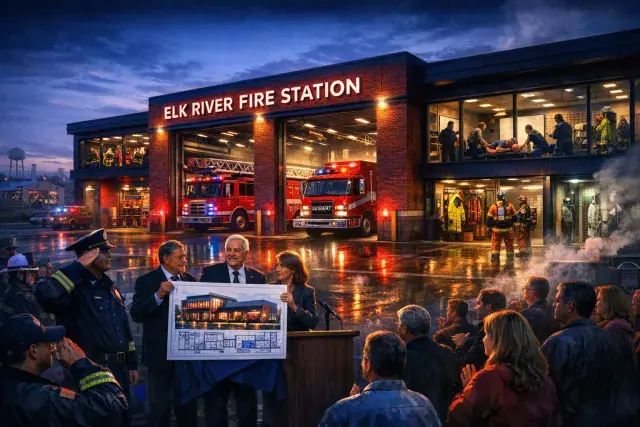
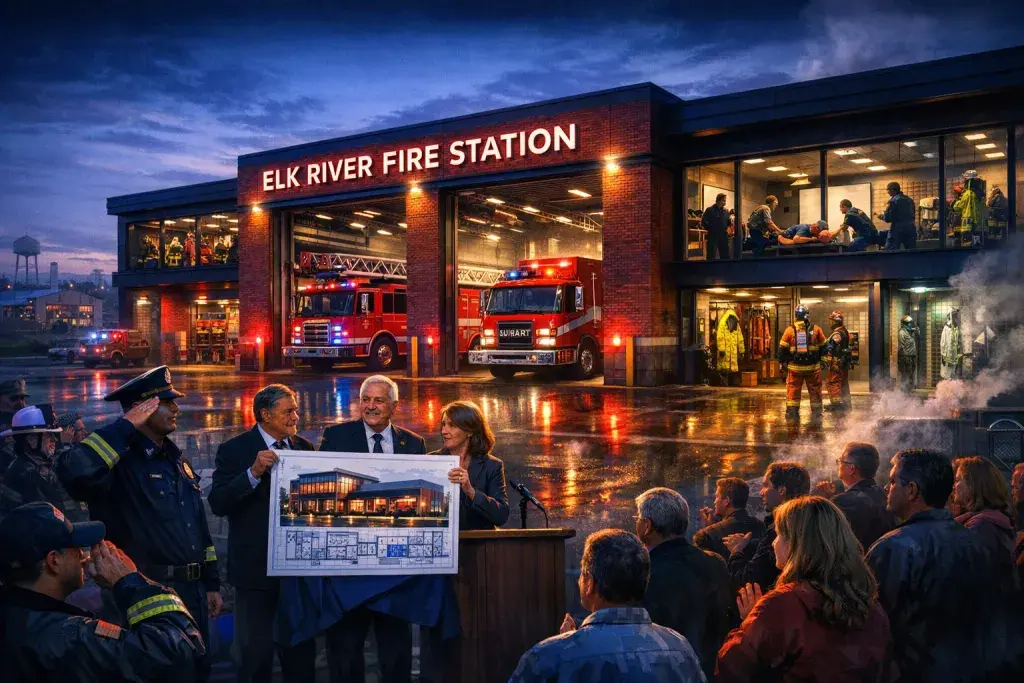
In Elk River, Minnesota, city officials have announced detailed plans for a new fire station designed to meet the demands of contemporary emergency response. Rendered by CNH Architects, the facility promises enhanced capabilities amid an aging infrastructure, positioning the city to better protect its growing population from fires, hazmat incidents, and medical emergencies.
Overcoming Challenges of an Aging Station
The current Elk River fire station, built decades ago, struggles with limited space for oversized modern apparatus like ladder trucks and tankers. This outdated setup slows deployment times and hampers training, critical in a suburb experiencing population growth and industrial expansion. By replacing it, Elk River addresses a nationwide trend where 40% of U.S. fire stations are over 40 years old, according to fire service reports, leading to inefficiencies in response.
Strategic Design Features for Peak Performance
The proposed station incorporates forward-thinking elements tailored to today's firefighting realities:
- Sufficient space for equipment storage, accommodating larger vehicles without cramped maneuvering.
- Large classrooms for firefighter training and public education sessions on fire prevention and CPR.
- “Appropriately sized” decontamination zones to safely handle chemical exposures, vital amid rising hazmat calls from nearby manufacturing.
- Drive-through apparatus bays enabling rapid exit and entry, potentially shaving minutes off response times in life-saving scenarios.
These features draw from best practices in fire architecture, ensuring scalability as equipment evolves with technologies like electric fire trucks.
Broader Impacts on Public Safety and Resilience
This investment signals Elk River's commitment to proactive safety amid suburban sprawl and climate-driven wildfire risks. Enhanced training facilities could reduce injury rates among responders—nationally, better-equipped stations correlate with 15-20% faster incident mitigation. Public education spaces foster community resilience, empowering residents with skills to prevent emergencies. Looking ahead, the project may inspire neighboring cities, reinforcing how targeted infrastructure upgrades bolster overall emergency preparedness in mid-sized communities.