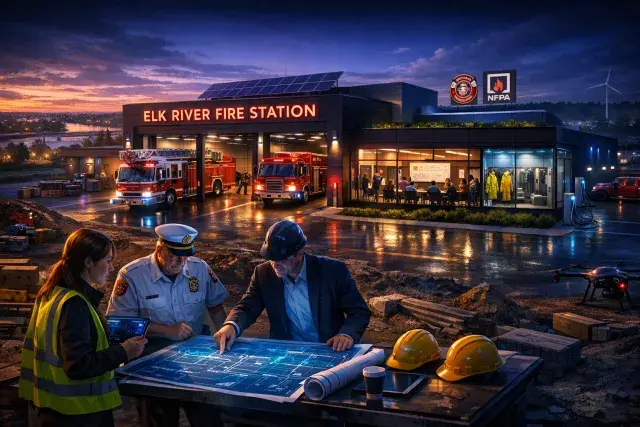
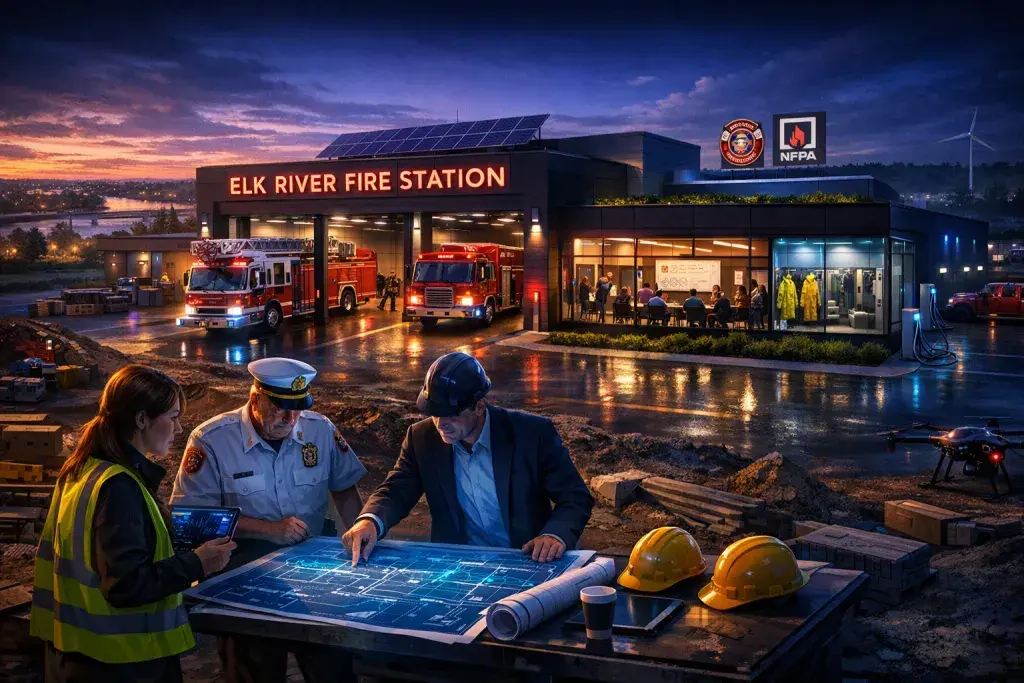
In Elk River, Minnesota, city officials have outlined detailed plans for a new fire station designed to meet contemporary emergency response needs, featuring ample equipment storage, spacious training classrooms, appropriately sized decontamination areas, and drive-through apparatus bays for modern fire trucks. This upgrade addresses critical gaps in current infrastructure and promises enhanced public safety amid growing urban demands.
Key Features Tailored for Today's Firefighting Challenges
The proposed fire station prioritizes functionality with forward-thinking design elements submitted by CNH Architects. These include:
- Sufficient space for expanding equipment inventories, accommodating larger apparatus as technology evolves.
- Large classrooms dedicated to firefighter training and community education programs, fostering proactive fire prevention.
- “Appropriately sized” decontamination zones to mitigate exposure risks from hazardous materials, chemicals, or biological threats—a nod to post-9/11 hazmat protocols and pandemic lessons.
- Drive-through apparatus bays that streamline deployment, reducing response times by enabling quick exits without cumbersome maneuvering.
Such features reflect expert standards from the International Association of Fire Chiefs, ensuring the station supports both operational efficiency and personnel wellness.
Background: Replacing Aging Infrastructure
Elk River's existing fire facilities, built decades ago, struggle with outdated layouts ill-suited for today's oversized engines and ambulances. Rapid population growth—from 16,000 residents in 2000 to over 25,000 today—has intensified call volumes by 40% in the past decade, per local emergency reports. Outmoded bays cause delays, while cramped spaces hinder training, contributing to national trends where 20% of U.S. fire stations are over 50 years old and in need of replacement.
Implications for Community Safety and Resilience
This project signals a strategic investment in resilience, potentially cutting response times by 15-20% through drive-through bays, based on similar upgrades in Midwest cities like Plymouth and Andover. Enhanced decontamination protects firefighters from carcinogens, aligning with NFPA studies showing elevated cancer rates in the profession. Public education classrooms could reduce incidents by promoting smoke alarm checks and evacuation drills, tying into broader safety trends emphasizing community partnerships over reactive measures.
Outlook: A Model for Progressive Fire Services
With construction timelines targeting completion by 2026, Elk River's fire station positions the city as a leader in adaptive public safety infrastructure. As climate-driven wildfires and industrial hazards rise, such facilities underscore the shift toward multifunctional hubs that integrate health, training, and rapid response—essential for safeguarding growing suburbs nationwide.