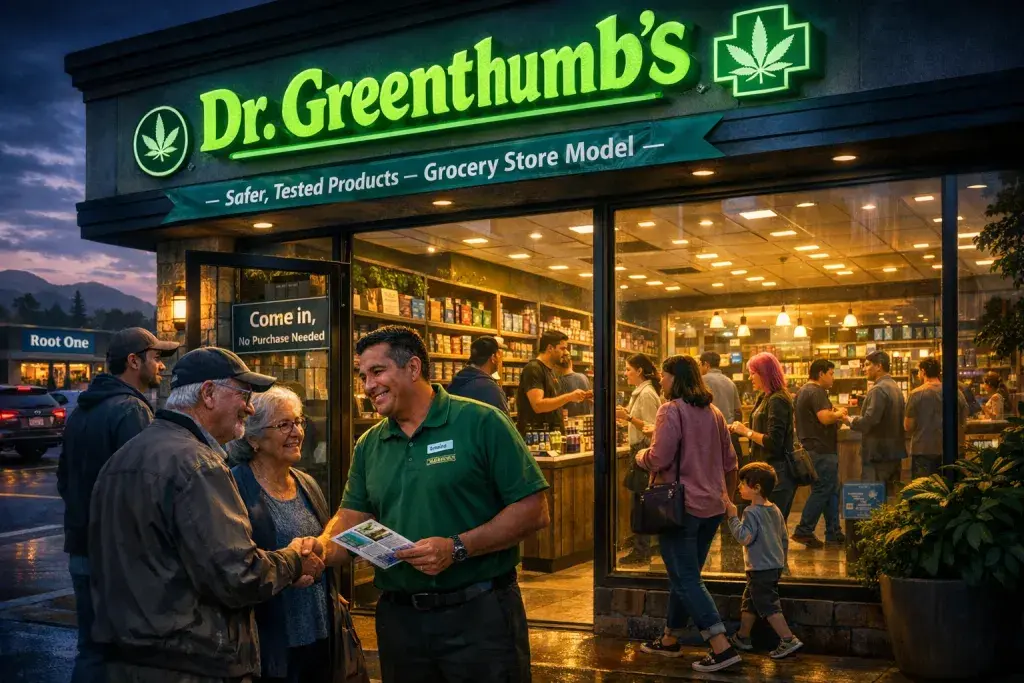
In a milestone for regulated cannabis access, Dr. Greenthumb’s dispensary debuted on December 7 at 1604 East Clark Ave, Ste. 101, in Orcutt, marking the third of six county-approved storefronts in unincorporated Santa Barbara County to launch. This development signals growing normalization of cannabis retail, offering locals safer, tested products amid tightening regulations and community-focused integration.
Navigating the County’s Strict Licensing Framework
Santa Barbara County caps dispensaries at six across specific unincorporated zones—Eastern Goleta Valley, Isla Vista, Los Alamos, Orcutt, Santa Ynez, and Toro Canyon/Summerland—to prevent overconcentration. Currently, Isla Vista, Orcutt, and Santa Ynez operate, while others advance through permitting.
- Approval hinges on Chapter 50, Section 50-7(b), demanding 85%+ scores on business proposals (10% weight) and neighborhood compatibility plans (90% weight).
- Pre-application public meetings shaped priorities like education, odor control, and parking.
- Dr. Greenthumb’s topped Orcutt rankings, securing land use permits, business licenses, and state DCC licensure.
This criteria-driven process, informed by resident input, ensures dispensaries align with local needs, reflecting broader trends in cannabis policy that prioritize public buy-in over unchecked proliferation.
Community Focus and Product Safety Standards
General Manager Thomas Casarez emphasizes Dr. Greenthumb’s “grocery store model,” where customers browse diverse products—from sleep aids to pain relievers—with staff guidance. As the second Santa Maria Valley storefront after Root One in Guadalupe, it draws positive feedback for convenience, especially from Santa Maria residents.
- Key plans include customer education, community involvement, odor control, and parking to foster neighborhood harmony.
- All California cannabis undergoes third-party testing for contaminants and pesticides, assuring clean consumption—a critical safeguard amid rising medical use for chronic pain and insomnia.
- Outreach supports local businesses and events, countering stigma through transparency: “Come in, no purchase needed,” Casarez invites.
These measures address health concerns, as regulated retail reduces black-market risks like adulterated products, aligning with national shifts where cannabis supports wellness without recreational excess.
Implications for Health Access and Cultural Shifts
Dr. Greenthumb’s arrival underscores cannabis’s evolution from fringe to mainstream, with storefronts enabling precise dosing for therapeutic needs—vital as studies link cannabinoids to anxiety relief and inflammation reduction. By limiting licenses and enforcing compatibility, the county models balanced legalization, potentially easing overburdened healthcare systems.
Yet challenges persist: remaining sites’ delays highlight permitting hurdles, while education combats misinformation. As access grows, expect heightened focus on youth prevention and equitable distribution, positioning Santa Barbara as a case study in responsible cannabis integration.