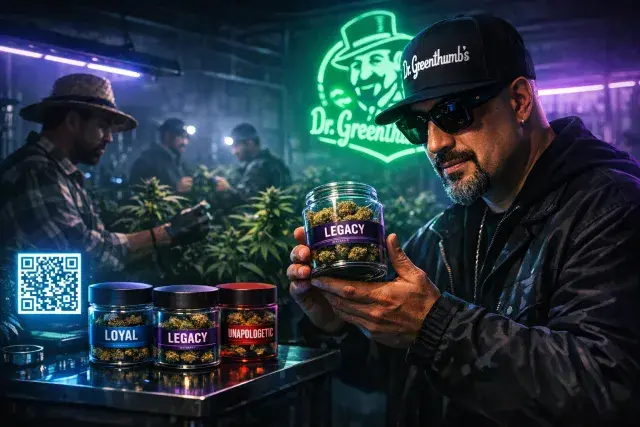

As the holiday season unfolds, recreational cannabis businesses are teaming up with nonprofits like Forgotten Harvest and Bottomless Toy Chest to deliver food and toys to those facing hardship, highlighting a growing trend of industry-led community support.
Key Partnerships Driving Holiday Relief
These collaborations focus on immediate needs during a time when financial pressures peak. Forgotten Harvest, a leading food rescue organization, redistributes surplus food to prevent waste while feeding thousands weekly. Bottomless Toy Chest collects and distributes new toys to children in low-income families, ensuring holiday joy for the underserved.
- Cannabis retailers are donating proceeds from special holiday sales to fund food drives and toy distributions.
- Events include in-store toy collection bins and matching donations up to set amounts.
- Partnerships emphasize direct impact, targeting urban and rural communities alike.
Background: Cannabis Industry's Shift Toward Philanthropy
The recreational cannabis sector, legalized in over 20 U.S. states, has matured from a fringe market to a multi-billion-dollar industry generating $28 billion in 2023 sales. Once stigmatized, businesses now prioritize corporate social responsibility to build goodwill and counter historical inequities from prohibition-era policies. This holiday initiative builds on year-round efforts, such as equity programs aiding communities disproportionately affected by past drug laws.
Implications for Public Health and Social Equity
Food insecurity affects 13.5% of U.S. households, rising during holidays due to seasonal unemployment and inflation. Toy drives address child well-being, reducing stress in families where 1 in 6 children live in poverty. By partnering with nonprofits, cannabis businesses foster community trust, promote mental health through tangible aid, and align with lifestyle trends favoring purpose-driven consumption. Experts note this model could inspire other emerging industries to integrate giving into core operations.
Future Outlook: Scaling Compassionate Capitalism
These efforts signal a sustainable path for the cannabis sector, potentially expanding to health initiatives like substance use education or veteran support. As legalization spreads, expect more cross-sector alliances, amplifying impact amid economic uncertainty. This holiday season underscores how recreational cannabis businesses are redefining their role, blending profit with profound social good.