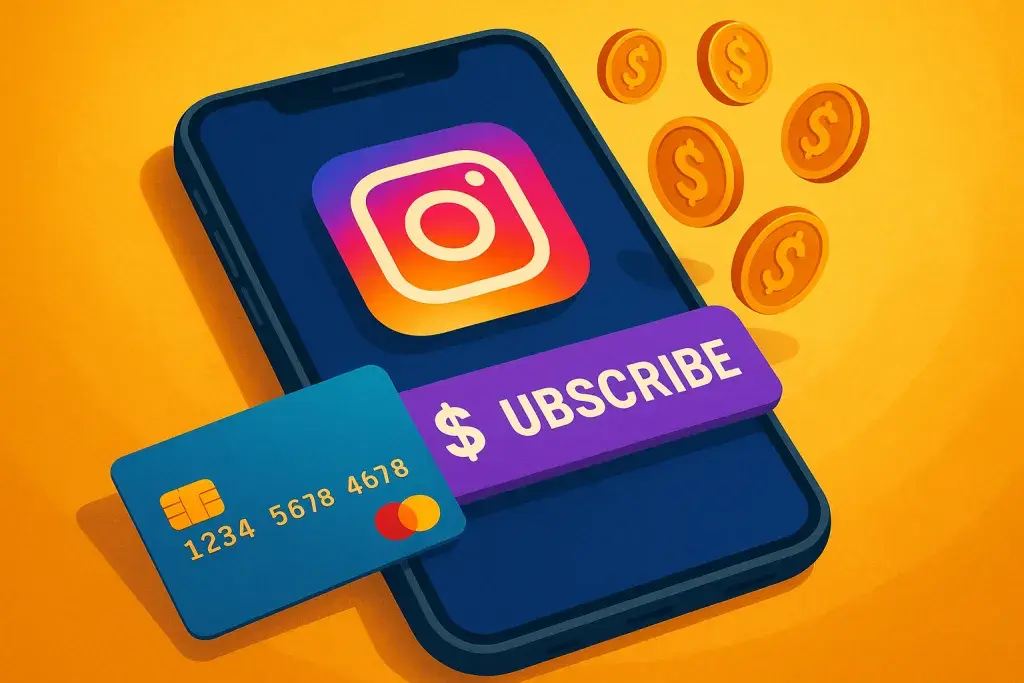
Creators earning a living from Instagram content have historically depended on three shaky pillars: brand deals, affiliate links, and the algorithm's mood on any given day. That arrangement is changing. Instagram paid subscription tools now let creators charge followers directly for access to exclusive posts, behind-the-scenes footage, and closer interaction - a shift that mirrors what Patreon and OnlyFans built years ago, except embedded inside an app that billions of people already open daily.
For anyone trying to understand how this actually works, the mechanics matter more than the marketing language Meta uses to describe them. Subscriptions aren't a replacement for reach; they're a monetization layer on top of it. A creator still needs an audience willing to pay, and that audience typically forms only after sustained visibility and trust. This is why many accounts preparing to launch subscriptions also invest in early-stage growth tactics, including a legitimate instagram follower boost, to reach the critical mass needed before asking anyone to pull out a credit card.
This piece breaks down what Instagram paid subscription actually means in practice, how the feature has evolved, what changes are expected heading into 2026, and how creators and everyday users should think about it. No speculation dressed up as fact - just a clear, grounded look at where things stand and where they're headed.
What Instagram Paid Subscription Actually Means
Instagram paid subscription refers to a native feature that allows creators to offer a recurring, paid tier of content and interaction to their followers, separate from their free public feed. Subscribers pay a monthly fee directly through the app and, in exchange, gain access to content or privileges the creator reserves specifically for them.
The Core Concept Explained
At its simplest, instagram paid subscription explained in one sentence: it's a monthly membership that unlocks a private layer of a creator's Instagram presence. This might include subscriber-only Stories, exclusive Reels, badges that mark a user as a paying supporter in comments and DMs, or direct access to the creator through subscriber-only broadcast channels.
How It Differs From Other Monetization Tools
Instagram already offers Bonuses, affiliate commerce, and brand partnership tags. Subscriptions differ because the money flows directly from fan to creator, without a brand or advertiser sitting in between. That distinction matters: subscription revenue tends to be more predictable and less dependent on sponsorship cycles or seasonal ad budgets.
Who Can Enable It
Eligibility has generally been tied to account standing, follower count thresholds, and adherence to Meta's monetization policies. Creators in violation of community guidelines, or those with accounts flagged for authenticity issues, are typically excluded until those issues are resolved.
- Subscriber-only Stories and Reels
- Exclusive live broadcasts or Q&A sessions
- A visible subscriber badge in comments
- Direct messaging privileges with the creator
The Evolution of Instagram's Subscription Model
Meta didn't build this feature overnight, and it hasn't stood still since launch. Understanding its trajectory helps explain why the current version looks and functions the way it does.
Early Testing and Rollout Challenges
When subscriptions first appeared, availability was limited to select creators in specific markets. Meta used this phase to gauge willingness to pay, churn rates, and what kind of exclusive content actually retained subscribers versus what got ignored after the first month.
Expansion Across Markets and Creator Tiers
As the model matured, access widened beyond top-tier influencers to include mid-sized creators - a strategically important move, since smaller creators often have more engaged, loyal audiences relative to their size, even if their total follower numbers are modest.
Lessons From Competing Platforms
Instagram's approach borrows heavily from lessons learned on platforms like Patreon, Twitch, and YouTube Memberships. The emphasis on badges, tiered access, and low-friction in-app payment reflects what those earlier platforms proved worked - and what didn't.
Instagram Paid Subscription in 2026: What's Changing
Looking at instagram paid subscription 2026 developments, the direction is toward deeper integration rather than a complete overhaul. Meta appears focused on making subscriptions feel less like a separate product bolted onto the app and more like a native extension of how creators already communicate with followers.
Expected Feature Additions
Expect continued refinement of subscriber tiers, allowing creators to offer multiple price points with different perks at each level, rather than a single flat monthly fee. This mirrors how membership platforms outside Instagram have structured pricing for years, and it gives creators more flexibility to match content value with cost.
Changes to Discovery and Promotion Tools
Instagram has been testing ways to surface subscription offers more prominently to warm audiences - people who already engage frequently with a creator's content but haven't converted into paying subscribers. This includes subtle placement in Stories and profile pages rather than aggressive pop-ups.
Shifts in Creator Eligibility Requirements
As the tool matures, eligibility thresholds are likely to loosen further, extending access to a broader range of account sizes, provided engagement quality metrics hold up. Meta has shown a pattern of gating features around suspicious or purchased engagement rather than raw follower counts alone.
Instagram Paid Subscription News and Recent Updates
Staying current with instagram paid subscription news matters because Meta iterates on monetization features faster than most creators can adapt their strategy. What worked six months ago may already be outdated.
Recent Policy Adjustments
Meta periodically adjusts revenue share percentages, payout thresholds, and content guidelines for subscriber-exclusive posts. These policy tweaks directly affect how much creators actually take home after platform fees.
Notable Creator Case Studies
Independent creators across fitness, art, and commentary niches have reported that subscriptions work best when paired with consistent free content that builds trust first. Subscriptions rarely succeed as a cold-start strategy; they perform better as a reward layered on top of an already engaged following.
How Meta Communicates Changes to Creators
Updates typically roll out through in-app notifications, the Creator dashboard, and official Meta for Creators communications, rather than broad public announcements - meaning creators need to actively check these channels rather than assume they'll hear about changes through general news coverage.
Instagram Paid Subscription Update: How to Prepare and Adapt
Every instagram paid subscription update carries practical implications for creators already running a subscription tier, and for those considering launching one.
Adjusting Content Strategy After an Update
When Meta changes what counts as subscriber-exclusive content, or alters visibility rules, creators need to audit their existing content calendar and adjust what they reserve for paying subscribers versus what remains public.
Communicating Changes to Your Subscribers
Transparency retains subscribers. When perks change, informing subscribers directly - through a Story, pinned post, or subscriber broadcast - reduces churn far more effectively than letting people discover changes on their own and feel misled.
Tools to Track Update Rollouts
Meta's official Creator blog, in-app notification center, and creator support documentation remain the most reliable sources for confirming whether a feature change has reached a specific account or region.
Should You Use Instagram Paid Subscription? A Practical Framework
Not every creator benefits equally from launching a subscription tier, and treating it as an automatic revenue win ignores the real tradeoffs involved.
When Subscriptions Make Sense
Subscriptions tend to work well for creators with a highly engaged niche audience, consistent posting habits, and content that genuinely benefits from an exclusive or deeper version - tutorials, behind-the-scenes process content, or personal access being common examples.
When Alternative Monetization Is Better
Creators with broad but shallow reach, or those in niches where audiences expect free content as the norm (comedy, meme accounts, news commentary), often find brand partnerships or affiliate revenue more sustainable than subscriptions.
Calculating Realistic Revenue Expectations
A common mistake is projecting subscription income based on total follower count rather than realistic conversion rates, which are typically a small fraction of an active audience - meaning a creator with a large but passive following may earn less from subscriptions than a smaller creator with a tightly engaged community.
Frequently Asked Questions
How much does Instagram take from subscription payments?
Meta takes a percentage of subscription revenue as a platform fee, with the exact rate varying by region and subject to change through official policy updates. Creators should check their Creator dashboard for the current rate applied to their account rather than relying on outdated figures.
Can I offer different subscription tiers at different prices?
Multi-tier pricing has been part of Instagram's broader subscription strategy, allowing creators to offer varying levels of access at different price points. Availability of multiple tiers can depend on account eligibility and regional rollout status.
Do subscribers lose access if they cancel mid-month?
Subscribers who cancel typically retain access to subscriber-only content until the end of their current billing cycle, similar to how most recurring subscription services handle cancellations. After that cycle ends, exclusive content and badges are removed.
Is Instagram paid subscription available worldwide?
Availability has expanded gradually since launch but is not uniform across every country, often tied to local payment infrastructure and regulatory requirements. Creators should confirm eligibility directly within their account settings rather than assuming access based on region alone.
Will paid subscriptions hurt my organic reach?
There is no verified evidence that offering subscriptions penalizes a creator's organic distribution on free content. Reach fluctuations are more commonly tied to engagement patterns, posting consistency, and format performance than to subscription status.
How do I know if my audience is ready to pay for content?
Strong signals include high engagement rates relative to follower count, frequent direct messages or comments requesting more access, and an established habit of consistent, valuable free content over several months. Testing a low-cost tier initially can help gauge real demand before committing to a full subscription strategy.